
Foundation cracks are one of those things every homeowner notices sooner or later. Some are harmless and simply part of the aging process, while others point to serious structural issues. As a homeowner, it’s crucial to know when are foundation cracks a problem and when they can safely be ignored. Ignoring the wrong kind of crack could mean costly repairs down the road.
Why Do Foundation Cracks Happen?
Before answering when are foundation cracks a problem, it helps to understand why they appear. Common causes include:
- Settling: Houses naturally shift and settle into the soil, creating small hairline cracks.
- Moisture Changes: Expanding and contracting soil due to wet and dry conditions puts stress on concrete.
- Poor Drainage: Excess water around the foundation creates pressure that leads to cracks.
- Construction Issues: Improper curing or weak materials can leave the foundation vulnerable.
Not every crack is a red flag, but knowing the underlying cause is key.
Types of Foundation Cracks
To determine when are foundation cracks a problem, you need to look at their size, shape, and direction.
1. Hairline Cracks
These are common in new homes as the concrete cures. They’re usually harmless unless they widen over time.
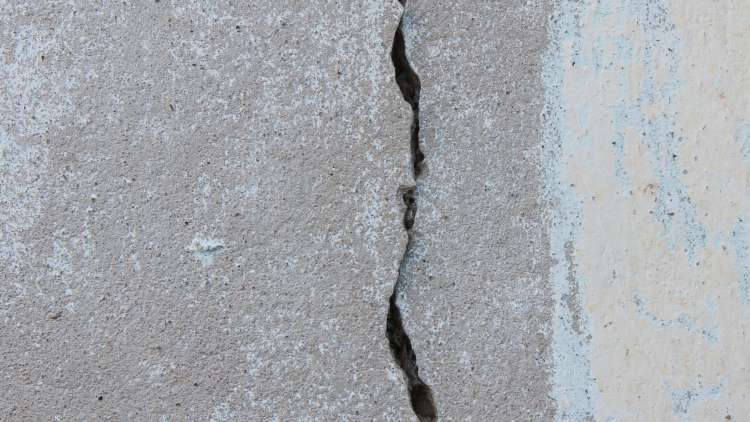
2. Vertical Cracks
Often caused by settling, these can sometimes be fixed with epoxy or sealants. Small ones are usually not a problem, but larger ones may let in water.
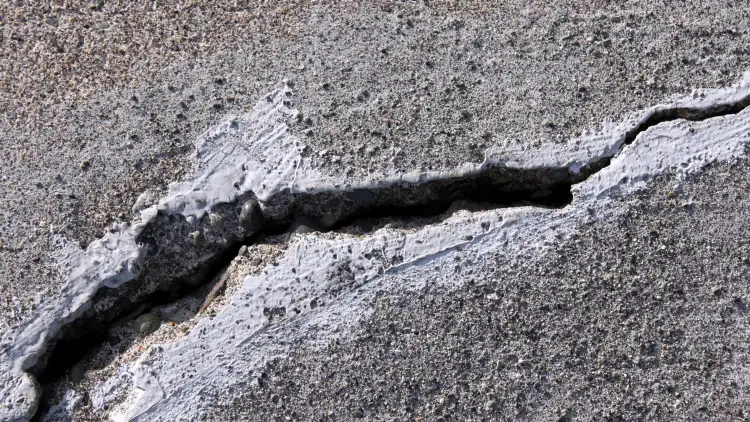
3. Horizontal Cracks
Horizontal cracks often signal pressure from soil or water pushing against the foundation. This is one of the clearest answers to when are foundation cracks a problem—they can indicate serious structural stress.
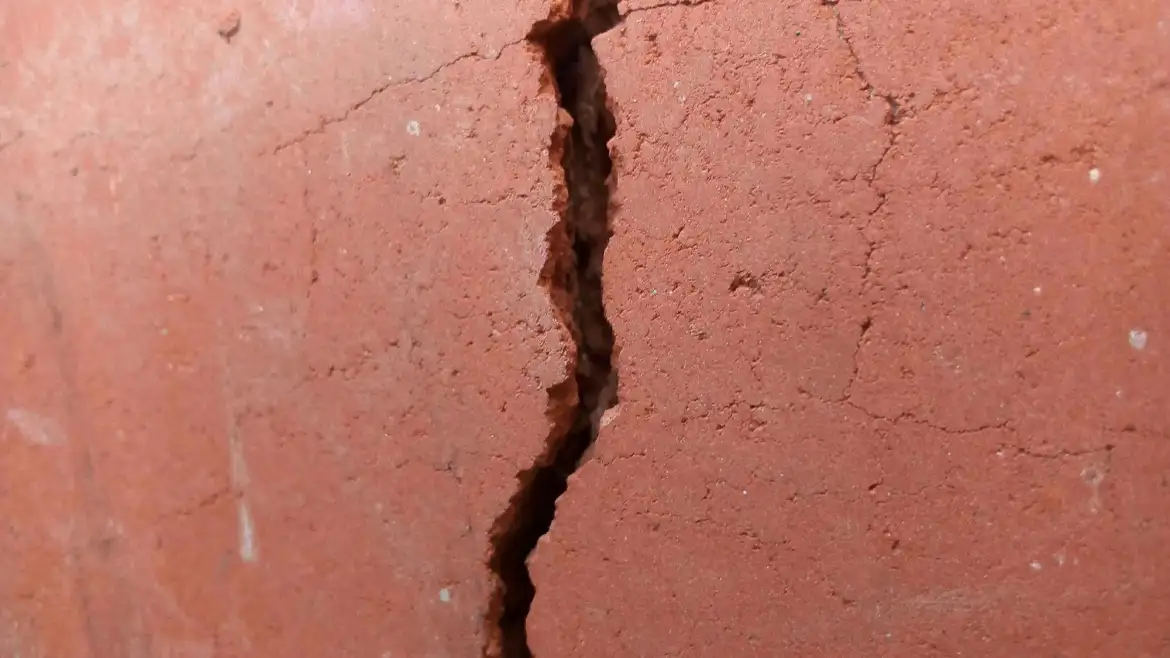
4. Stair-Step Cracks in Brick or Block
These form along mortar joints and may mean the foundation is shifting. Depending on severity, they may require professional repair.
Warning Signs That Cracks Are Serious
Here are signs that answer the question when are foundation cracks a problem and not just cosmetic:
- Cracks wider than 1/4 inch.
- Cracks that grow over time.
- Water leaking through foundation walls.
- Windows and doors sticking or not closing properly.
- Uneven floors or gaps between walls and ceilings.
If you notice these, it’s time to take action.
How Professionals Determine When Are Foundation Cracks a Problem
Experts don’t just look at the cracks themselves. They check soil conditions, drainage, and the overall structure of your home. In many cases, a professional inspection is the only way to truly know when are foundation cracks a problem and how to fix them.
Repair Options for Foundation Cracks
Once you know when are foundation cracks a problem, solutions depend on severity:
- Sealants and Epoxy Injections: Good for small, non-structural cracks.
- Drainage Improvements: Fixing water issues around your home prevents further damage.
- Wall Reinforcement: Carbon fiber straps or steel beams may be installed for added strength.
- Foundation Underpinning: In severe cases, the foundation may need structural support to stabilize the home.
Preventing Future Problems
The best approach is prevention. Steps include:
- Ensuring proper grading and drainage around your home.
- Keeping gutters and downspouts clean.
- Monitoring cracks regularly for changes.
- Scheduling inspections if you suspect issues.
By staying proactive, you’ll know when are foundation cracks a problem before they threaten your home’s stability.
When Are Foundation Cracks a Problem? Knowing When to Worry
So, when are foundation cracks a problem? Small hairline cracks are common and often harmless, but wide, horizontal, or expanding cracks usually signal structural stress or water pressure. If you’re unsure, it’s always better to consult a professional.
Understanding when are foundation cracks a problem can save you money, protect your home, and give you peace of mind. Don’t wait until small issues become major repairs, keep an eye on your foundation and act quickly when you see warning signs.